In our fast-paced, mobile-first world—especially along our beautiful coastal communities where life balances work, relaxation, and everything in between—digital convenience is no longer a luxury; it’s a baseline expectation. Whether you're checking the local surf report, booking a waterside dinner reservation, or Check out here simply coordinating a weekend beach cleanup, the apps on your phone can either streamline your day or make it feel like a chore.
Have you Go to this website ever wondered why some apps just “feel right” and glide smoothly under your fingertips, while others leave you frustrated, hunting for buttons, confused by menus, or waiting for screens to load? This difference boils down largely to intuitive UX, reducing user friction, and excellent app usability.
Understanding Intuitive UX in a Mobile-First Coastal Lifestyle
Our coastal lifestyle is unique—many of us are outdoorsy, tech-savvy, and on-the-go. Smartphones are our lifelines. From tide schedules and tide pool exploration apps to local event calendars or seafood takeout, apps must cater to quick, clear, and pleasant experiences that match our dynamic routines.
Intuitive UX (User Experience) means the app anticipates your needs, presents relevant information clearly, and supports effortless navigation. Intuitive UX is the digital equivalent of a friendly local who knows the area and guides you naturally without needing a map.
Key Elements of Intuitive UX
- Predictability: The app behaves as you expect, with consistent design patterns and familiar icons. Clarity: Content and options are clear and prominent; you don’t have to guess what a button does. Feedback: The app communicates when actions are completed or if errors occur. Efficiency: Tasks can be completed in minimal steps.
Why Digital Convenience Has Become a Baseline Expectation
Gone are the days when people were wowed by merely having an online presence. Today’s mobile users—especially in active coastal communities—expect apps to be convenient, responsive, and reliable. With a sea of apps competing for attention, only those that minimize user friction will succeed.
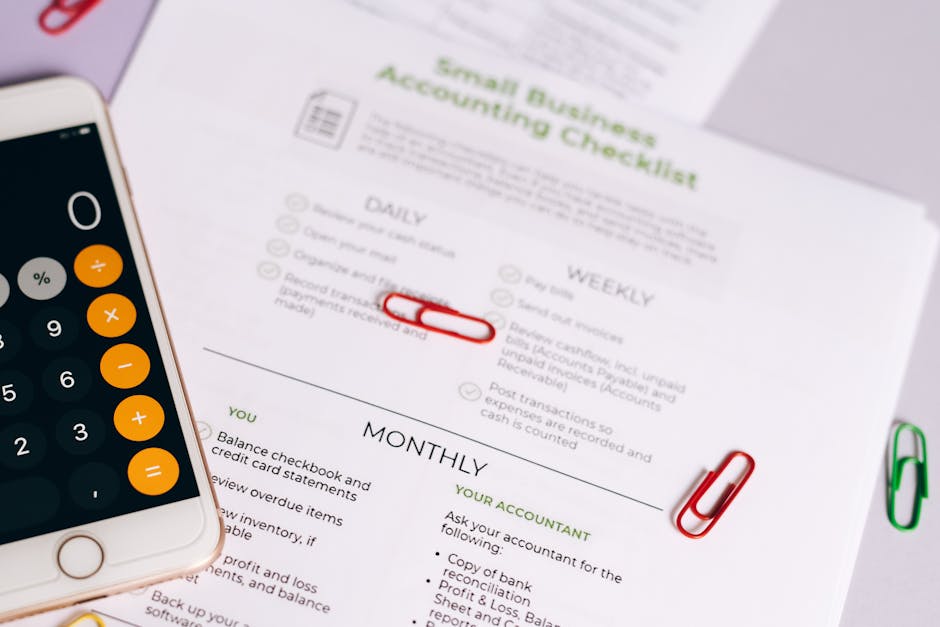

Think about your favorite local seafood spot’s app vs. a generic delivery app with confusing menus. The former probably loads quickly, has simple navigation, and saves your preferences. It’s convenience wrapped in familiarity. The latter may make you juggle pop-ups, struggle to find what you want, or wait as pages reload slowly on your cellular connection.
As mobile connectivity improves, the line for “good enough” shifts higher. Convenience and immediacy aren’t perks anymore—they’re the baseline.
The Role of Speed and Performance on Mobile
For coastal communities, where Wi-Fi can be spotty at the beach or marina, app speed and performance matter drastically. Slow-loading apps introduce friction and frustration. Even the most well-designed interface loses points if a page takes forever to appear or a button lags when tapped.
How Speed Impacts Usability
User Patience: Mobile users expect near-instant responses; delays of more than a couple of seconds may prompt abandonment. Power and Data Limits: Apps that are data-heavy or drain battery quickly alienate users on the move. Offline or Low-Bandwidth Support: Coastal areas may have fluctuating service; apps that gracefully handle this win loyalty.Developers optimize performance with techniques like caching, image compression, and minimizing background data usage. Apps designed with mobile-first principles also avoid cluttered screens that slow rendering.
Simple Navigation: The Backbone of Great Usability
Imagine you’re trying to locate tomorrow’s tide schedule or reserve a kayak rental through an app. An intuitive navigation system that logically groups functions and uses familiar gestures or menus helps you achieve your goal quickly without frustration.
Best Practices for Navigation in Coastal Lifestyle Apps
- Minimal, Clear Menus: Use concise category names and limit choices to avoid overwhelming users. Sticky Navigation: Key navigation buttons remain accessible even if you scroll through content. Search Functions: For apps with extensive information, a good search bar accelerates task completion. Logical Flow: Actions within the app follow a predictable sequence without unnecessary detours.
The goal is to reduce “cognitive load.” If users have to think too hard about where to go next or what to tap, it adds user friction and diminishes overall usability.
Responsive Design: Adapting Smoothly Across Devices
Coastal users often switch between phones, tablets, and even kiosks at local visitor centers or marinas. Apps must remain usable and visually pleasing across different screen sizes and orientations.
Responsive design means the user interface adjusts fluidly—from font sizes and button placement to image scaling—so that using the app feels natural whether on a small smartphone screen or a tablet used on a porch overlooking the ocean.
Benefits of Responsive Design
Benefit Description Consistent Experience Users can switch devices without needing to relearn the app interface. Improved Accessibility Larger buttons and adaptive text sizes enhance usability for all users, including seniors or those with vision challenges. Better SEO and Discoverability Apps with responsive design perform better with app store algorithms and online listings. Future-Proofing Responsive design minimizes costly redesigns as new device form factors emerge.How Local Businesses Can Leverage Intuitive UX to Serve Coastal Communities
Restaurants, tours, marinas, and event organizers all benefit from apps that reduce user friction and emphasize usability. When local businesses invest in thoughtful mobile experiences, customers spend less time figuring out how an app works and more time engaged with their service or product.
Tips for local businesses:
Start Mobile-First: Prioritize mobile design early rather than retrofitting it later. Conduct User Testing: Gather feedback from actual community members who reflect your target audience. Simplify Critical Tasks: Streamline popular user actions such as booking, ordering, or info lookup. Maintain Speed: Regularly audit app performance and optimize accordingly.Conclusion: Intuitive UX Transforms Apps from Work to Wonder
Ultimately, apps that feel intuitive are those that remove barriers between users and their goals—especially essential in a vibrant, mobile-dependent coastal lifestyle. By focusing on reducing user friction through simple navigation, fast performance, responsive design, and mobile-first thinking, developers and local businesses create tools that serve not just functional needs but also enrich daily life.
Next time you find yourself breezing through an app without hassle—whether ordering your morning coffee near the harbor or checking local events—know that a lot of thoughtful design is behind that ease. Good app usability isn’t magic. It’s the result of intentional, user-focused design that understands and respects how coastal communities live and interact with their mobile devices.