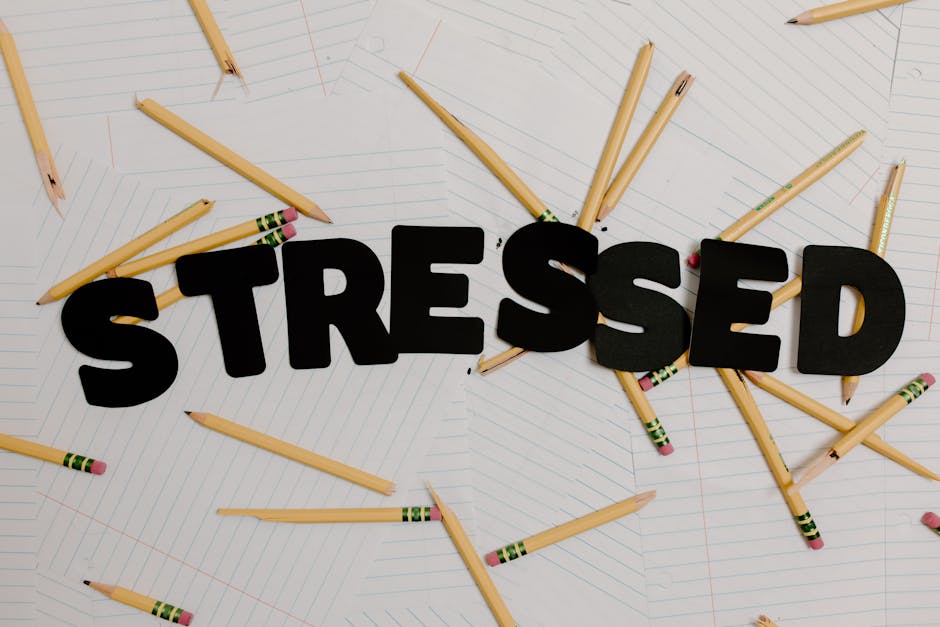
If you’ve ever found yourself clicking “play” on a show you’ve already seen instead of trying something new, you’re far from alone. In an era when streaming platforms offer an almost overwhelming buffet of content, many people turn back to the familiar. This tendency to rewatch known shows taps into what experts call the psychology of comfort through familiar entertainment—and it’s related to how we cope with modern stress and choice overload.
Micro-Breaks and Modern Stress: The Need for Quick, Reliable Respite
Life, work, and family obligations don’t pause; rather, they typically buffet us with one stressor after another. This creates a strong demand for micro-breaks—those brief, everyday periods when you can press pause and mentally reset without a full hour or two of commitment. I like to think of these as “5-minute resets” and keep a running list of them on my phone for days when things run particularly tight.
Rewatching your favorite shows offers this quick recharge in a way that new content sometimes can’t. Why? Because the predictability of what’s coming next reduces cognitive load. You don’t have to invest energy understanding complex plots or new characters, which makes relaxation easier. The Conversation (theconversation.com/global) has published research that ties watching familiar media to a soothing effect on the brain that feels almost like a gentle, mental “palate cleanser” between tasks.
Accessible Entertainment for Real Schedules
With the rise of streaming platforms, podcasts, and mobile-first leisure habits, entertainment has transformed dramatically to fit into fragmented, unpredictable schedules. We’re no longer watching TV mostly in the evening or on weekend afternoons. Instead, many people slotted shows or podcasts into commutes, coffee breaks, or even while cooking.
This shift highlights why old favorites win out so meaningplanet.com often. People crave accessible entertainment that can slot seamlessly into daily micro-moments without the upfront investment of something new. Rewatching familiar content reduces the “start-up friction”. You know the length, the tone, and the feel of the episode, so it’s easier to “dip in and out” and still get that satisfying break.
Mobile-First Leisure Habits
- Mobile streaming: Many users rely on their phones for entertainment, turning to apps like MRQ (mrq.com), which catalog where their favorite shows and movies are available across various streaming sites. Podcasts and audio: MeaningPlanet and similar analytics services note how podcasts complement visual media by allowing users to multitask and enjoy leisure on the go, but with familiar voices and themes to keep stress low. Quick loading times: Familiar shows load and buffer faster thanks to caches and shorter startup searches versus hunting for new series.
These habits reinforce comfort entertainment as a low-barrier, low-stress experience. The known quantities create a pleasant, predictable entertainment flow that fits naturally between meetings, errands, or school runs.

The Psychology Behind Rewatching: Comfort in Familiarity
When the world feels chaotic, humans tend to seek anchor points—reliable experiences that soothe. The “rewatching psychology” hinges on the brain’s preference for familiarity, which stimulates dopamine pathways linked to comfort and pleasure without the stress of unpredictability.
There’s also an emotional aspect: you often attach memories and associations to shows—like recollections of relaxed weekends or friendly chats while watching—that resurface with every rewatch. This layered nostalgia enhances feelings of safety and well-being.
Choice Overload Relief
Paradoxically, the explosion of available entertainment can create a paralysis known as choice overload. The process of picking something “new and good” takes time and mental effort. Instead of risking disappointment or wasted time, many default to known shows that have never let them down. This alleviates decision fatigue and doubles down on comfort.
How Familiar Entertainment Helps Combat Choice Overload Challenge How Familiar Shows Help Endless streaming options Known shows streamline decision-making—pick without overthinking Risk of wasting time on a bad pick Familiar shows have proven entertainment value Limited time for leisure Rewatching fits micro-breaks well because it requires less adjustment Desire for stress relief Familiar content activates calming brain responsesNo Need to Break the Bank: Comfort Doesn't Mean Expensive
One other important note—comfort entertainment doesn't require a big spending commitment. Tools like MRQ help users locate where shows are available, whether through subscription streaming platforms or free ad-supported services. Thecost-savvy viewer can optimize choices without explicit prices or dollar amounts jumping into their decision process.
Likewise, podcasts are often freely accessible or included in existing subscriptions. MeaningPlanet and other analytic companies track trends showing people blend free and paid content smartly, squeezing maximum enjoyment within their real budgets and life constraints.
Wrapping Up: Embrace What Works for You
Rewatching familiar shows is a perfectly valid, science-backed method of unwinding that respects the reality of modern life—the fragmented schedules, mobile consumption habits, and the constant pressure of choice. Rather than feel guilty about not discovering new “hidden gems,” recognize that comfort is a crucial part of emotional self-care.
Keeping a curated list of “go-to” shows, combined with podcasts and micro-break techniques, can form a practical reset toolkit for your day, whatever your lifestyle. After all, the best way to recharge is the way that actually fits your time, mood, and needs.
Next time you find yourself hitting “replay,” just know your brain and your schedule probably appreciate that familiar entertainment comfort more than you realize.