If you've been browsing aesthetic treatments lately, you’ve likely encountered terms like dermal heating, collagen contraction, and neocollagenesis. These biological processes are the foundations behind energy-based skin tightening and lifting technologies, especially those using radiofrequency (RF) and ultrasound. But what does RF really do when it penetrates the skin? How does it differ from other treatments such as Ultherapy, which uses micro-focused ultrasound (MFU-V)? And why does understanding these differences matter when choosing your procedure?
In this article, I’ll break down exactly what happens at the tissue level during RF treatments, clarify common misconceptions about surface tightening versus deeper structural lifting, and explain how Ultherapy’s real-time imaging and depth targeting bring extra precision to the table. Plus, we’ll touch on a common clinic page frustration: the absence of clear pricing in SGD (Singapore Dollars) that can make budgeting tough for expats and locals alike.
Layers to Know: Surface Tightening vs Dermal Tightening vs Structural Lifting
One question I always ask when new devices are marketed: “What layer are we actually treating?” The answer is crucial because tightening the skin surface looks and feels very different from stimulating deeper collagen or lifting the underlying structural layer called the SMAS.
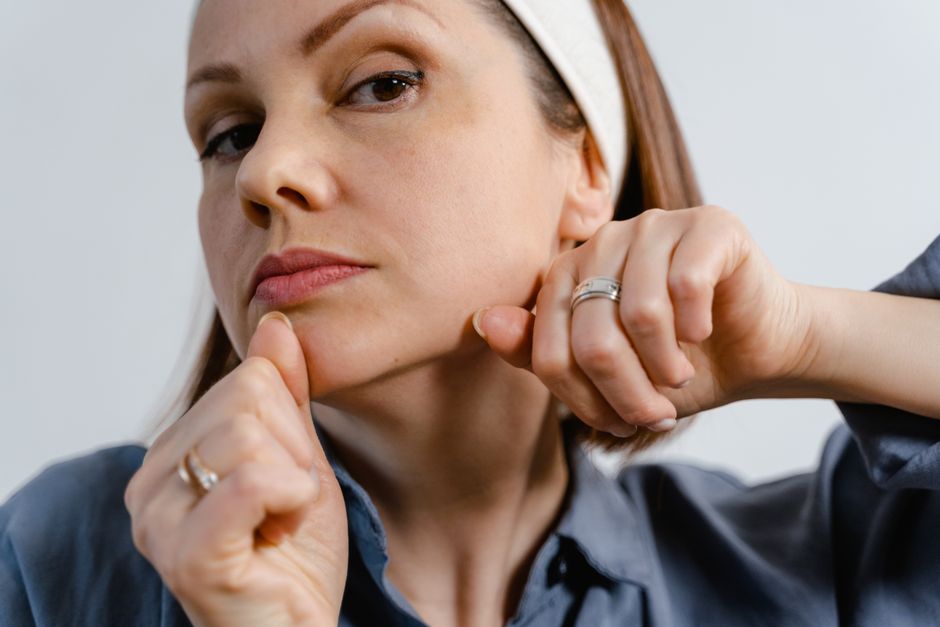
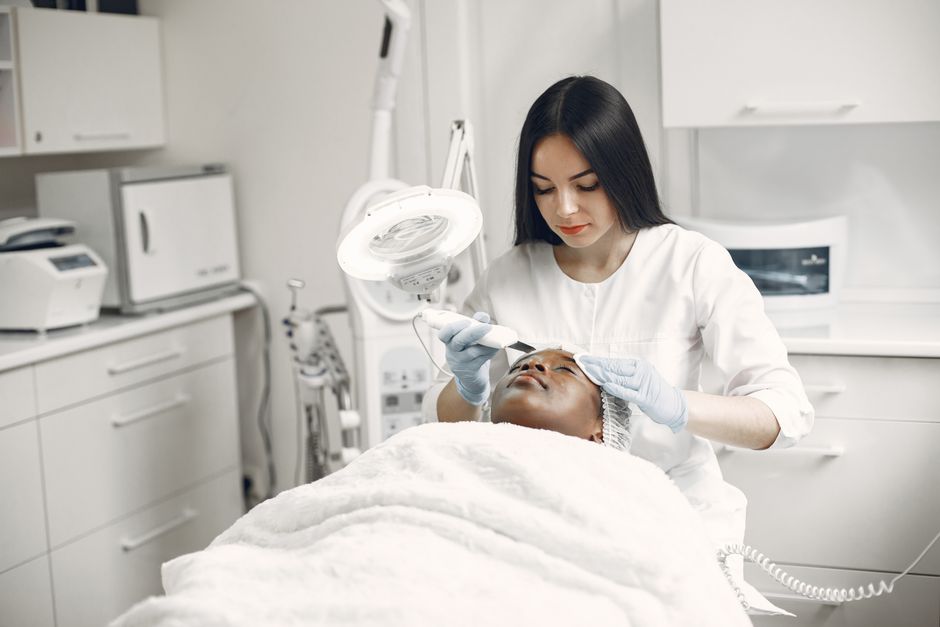
The Skin and Tissue Layers in Brief
- Surface (Epidermis): The outermost layer—focuses on texture and tone, but limited tightening potential. Dermis: Contains collagen and elastin fibers—the target for most RF treatments aiming at firming. SMAS (Superficial Musculo-Aponeurotic System): A fibrous network beneath the fat layer, key for structural lifting.
Most RF devices treat the dermis to induce collagen contraction and stimulate new collagen production (neocollagenesis). But unlike ultrasound energy that can precisely reach and lift the SMAS, RF's energy typically has limitations in penetration depth.
What Does RF Heating Do at the Tissue Level?
Radiofrequency devices generate heat by causing water molecules in the dermal tissue to oscillate. This heating triggers two main effects:
Immediate collagen contraction: Collagen fibers shrink when heated to around 60–65°C, resulting in visible skin tightening. Neocollagenesis: Controlled dermal injury induces fibroblasts to produce new collagen over weeks to months, leading to firmer, more elastic skin.Important note: RF https://bizzmarkblog.com/is-ultherapy-fda-cleared-for-lifting-or-just-tightening/ heating typically affects the papillary and reticular dermis but has limited ability to reach the deeper SMAS layer consistently.
Limits of RF Heating Depth
The extent of RF penetration depends on the device settings and applicator design but usually maxes out at 3-4 mm beneath the skin surface. While this is sufficient for dermal remodeling, it falls short of directly targeting the 4.5 mm-deep SMAS layer.
Ultherapy and Ultherapy Prime: Ultrasound Meets Precision
Compare this to Ultherapy, a technology that uses micro-focused ultrasound with real-time imaging (MFU-V). Ultherapy precisely targets multiple depths — including 1.5 mm, 3.0 mm (dermis), and critically, the 4.5 mm SMAS layer. Here’s why that matters:
- Structural Lifting: By heating the SMAS, Ultherapy induces a stronger, longer-lasting lifting effect that RF alone cannot achieve. Real-Time Imaging: Doctors can visualize the tissue layers in real-time during the procedure, ensuring energy is delivered exactly where intended and minimizing risks.
Ultherapy Prime is the latest iteration combining multiple ultrasound frequencies to enhance precision and treatment customization. It offers both lifting and skin tightening by addressing the dermis and SMAS with accuracy no RF device currently matches.
Surface Tightening ≠ Dermal Tightening ≠ Structural Lifting
Effect Layer Treated Energy Type Typical Depth Result Example Devices Surface Tightening Epidermis Light/Radiofrequency 0 - 0.1 mm Improved texture, glow Microneedling RF, IPL Dermal Tightening Dermis (Collagen) Radiofrequency (RF), Ultrasound 1.5 - 3 mm Collagen contraction, neocollagenesis Thermage, RF Microneedling, Ultherapy (1.5 & 3 mm) Structural Lifting SMAS (Fibromuscular layer) Micro-Focused Ultrasound (MFU-V) 4.5 mm Real tissue lift & tightening Ultherapy, Ultherapy PrimeWhy Clinics Should Always Provide Pricing in SGD
One pet peeve I notice is the frequent omission of clear pricing details on clinic websites, especially in Singapore Dollars (SGD). Many pages discuss the technology’s wow factors but leave you guessing your actual budget. This lack of transparency can mean:
- Wasted time calling or emailing clinics for quotes Difficulty comparing treatments or providers Uncertainty about package inclusions or upgrade costs
As someone who used to book consults for years, I always recommend patients request a full SGD quote upfront — including any consultation fees, device charges, and add-ons. Transparency fosters trust, and you deserve to know exactly what you’ll pay before booking.
Summary: What Does RF Actually Do?
- RF heats the dermis to induce collagen contraction and stimulate new collagen growth (neocollagenesis). This results in firmer, smoother skin—not a dramatic structural lift. RF has limited depth reach, typically up to 3-4 mm, insufficient to consistently treat the SMAS layer. Ultherapy, with micro-focused ultrasound and real-time imaging, can precisely target and lift the SMAS at 4.5 mm depth. Understanding these tissue-level differences helps set realistic expectations and choose the best treatment. Always ask clinics for clear pricing in SGD to avoid surprises.
In other words, RF is excellent for surface and dermal tightening but cannot replace MFU-V ultrasound methods like Ultherapy when it comes to actual lifting of facial architecture.
Final Tips for Your Consultation
- Ask: “What depth and tissue am I treating?” Request: Clear SGD pricing with package and single-session breakdowns. Beware: Claims of “no downtime” that don’t mention post-treatment soreness or swelling. Confirm: Who performs the treatment—doctor, nurse, or sales staff? Medical questions should be answered by qualified staff only.
Hopefully, this breakdown helps you decode radiofrequency’s role at the tissue level and plla threads how it compares to more advanced lifting modalities like Ultherapy and Ultherapy Prime. If you want a meaningful lift, go deeper than surface claims—know what layer your procedure targets and why it matters.