When searching for a bigger diamond for budget, many buyers wonder whether opting for a lab grown diamond is the answer. Lab grown diamonds offer compelling value propositions, especially for those looking to maximize size without breaking the bank. But is it really worth it? And what are the key trade-offs when choosing between lab grown and natural diamonds?
As someone who has sat in on consultations in Hatton Garden, London’s historic jewellery district, and worked with experts referencing the Gemological Institute of America (GIA) standards, I’ll walk you through the essential considerations. Along the way, I’ll highlight how to verify grading reports using laboratory report number databases and why cut quality often matters more than carat weight in sparkle and perceived size. Plus, I’ll compare popular shapes like oval, pear, and marquise, which tend to appear larger than traditional rounds.
The Four Cs Trade-offs: Why Cut Drives Sparkle More Than Carat
When choosing a diamond, the classic Four Cs define quality and price:
- Carat — The diamond's weight. Cut — How well it’s shaped and faceted. Color — From colorless to faint yellow or brown. Clarity — The presence of inclusions or blemishes.
Many shoppers fixate on carat size, associating bigger stones with greater beauty. But Browse around this site the truth I’ve learned, especially reviewing expert guides like the GIA Diamond Quality Factor pages, is different:
Cut Quality is King
Cut determines how well a diamond reflects and refracts light, creating brilliance and fire. A well-cut 1-carat diamond can outshine a poorly cut 1.5-carat stone that appears dull and lifeless. This affects your enjoyment far more than the raw carat figure.
Lab grown diamonds and natural stones both can achieve excellent cuts, but don’t compromise cut quality for carat weight if sparkle is your priority. Always ask for grading reports and verify the laboratory report number — which we'll discuss next — to ensure you’re getting a true cut grade from a trusted lab.
Grading Reports and Verifying Authenticity: Don’t Be Fooled by “Certified” Labels
One pet peeve I’ve noted in buyer consultations is the vague use of “certified” without naming the certification body. Always verify which lab graded your diamond. The best-known and most reliable lab is the Gemological Institute of America (GIA).
Why is this important? Different labs have varying grading standards, and some may inflate grades. GIA maintains strict, consistent grading practices you can trust.
How to Verify the Laboratory Report Number
Each diamond graded by GIA or other reputable labs comes with a unique report number engraved on the girdle — a tiny ring around the diamond’s edge. You can verify this number on official laboratory databases online. This step is crucial to confirm that the physical diamond matches the report, avoiding scams or mix-ups.
If you are browsing listings or app-based sales platforms — think of the kind of ease and transparency offered by reputed services, unlike some MRQ mobile casino apps with their opaque terms — take an extra minute to ask for and verify the report number. Don’t rely on vague guarantees.
Carat vs Visible Size: Measurements and Proportions Matter
While carat measures weight, it doesn’t directly translate to visible diameter https://bizzmarkblog.com/marquise-diamond-looks-huge-is-it-just-the-shape/ or surface area. Two diamonds with identical carats can look different depending on proportions. For example, a shallow diamond may have the same total weight as one with ideal proportions but will appear larger from the top.
Therefore, focus on actual dimensions (measured in millimetres) rather than carat alone. Most grading reports list the table diameter and total depth. For reference:
Carat Weight Approximate Diameter (mm) - Ideal Cut Round Visible Size Notes 0.75 ct 5.8 - 6.0 mm Compact, noticeable sparkle 1.00 ct 6.4 - 6.5 mm Classic size; familiar for engagement rings 1.5 ct 7.2 - 7.4 mm Significantly larger face-up areaMaximizing face-up size can also include evaluating depth. Slightly shallower stones have broader diameters, but beware of sacrificing cut quality for size, as it can dampen brilliance.
Shape and Perceived Size: Bigger Looks with Oval, Pear, and Marquise
If your goal is to maximize perceived size on a budget, shape plays a key role. Among common cuts:
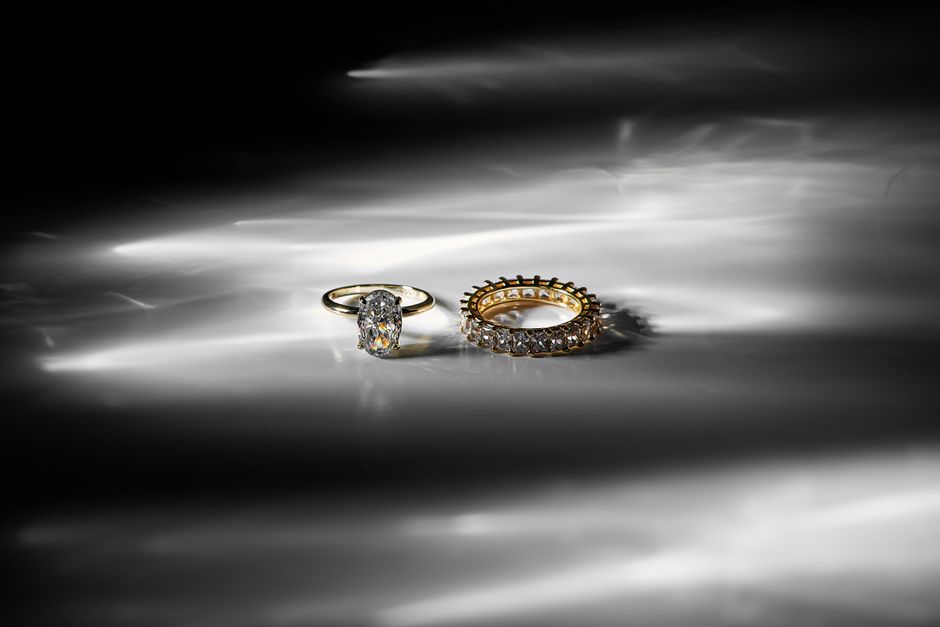
- Oval diamonds have elongated shapes that appear larger than round diamonds of the same carat. Their length-to-width ratio creates an eye-catching finger coverage. Pear or teardrop shapes combine round and marquise cuts, offering a unique silhouette that extends the visible size. Marquise cuts create the illusion of length and finger slenderness, making the diamond seem bigger than its carat weight would suggest. Round cuts are traditionally popular but tend to have a smaller surface area for a given carat due to their symmetric proportions optimized for sparkle.
Choosing an elongated shape can help those with a fixed budget secure a stone that looks bigger diamond for budget without pushing up carat weight — and price — too far.
Lab Grown vs Natural Price: What’s the Real Value?
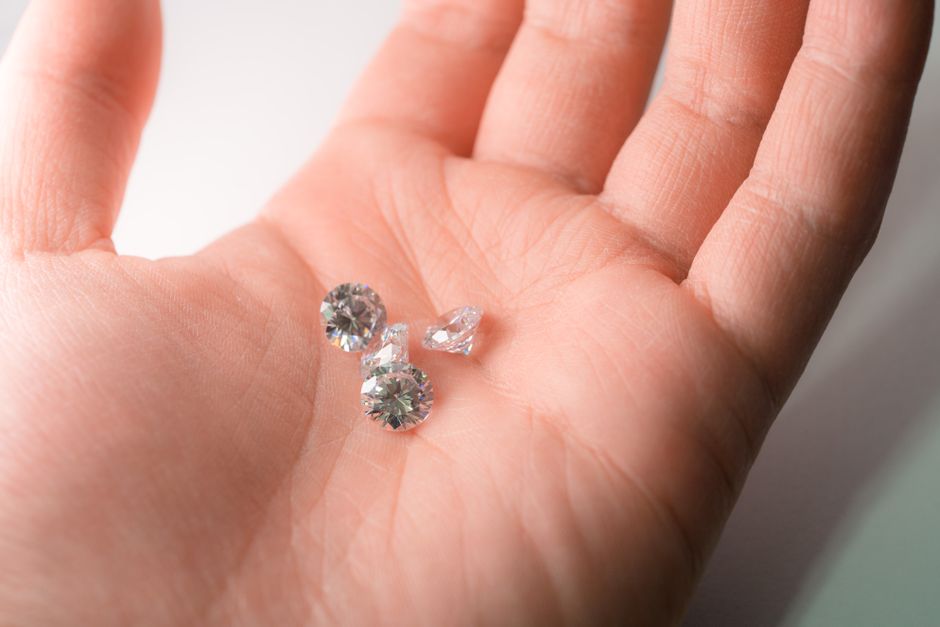
Lab grown diamonds typically cost 30-40% less per carat than their natural counterparts. This means for the same budget, you can buy a larger lab grown diamond or higher quality in other Cs.
However, understand the market nuances:
Resale value: Natural diamonds historically hold value better, although the lab grown market is evolving quickly. Price transparency: Reputable firms like Hatton Garden Jewellers will provide clear pricing with full lab reports, avoiding gimmicks. Ethics and sustainability: Lab grown diamonds offer benefits for those concerned with environmental or ethical sourcing.Both options have their place, but lab grown diamonds offer undeniable lab grown diamond value when budget constraints limit size or quality options in natural stones.
Final Checklist When Buying a Bigger Diamond for Budget
- Always ask for the full grading report and the laboratory report number. Verify this via official databases. Prioritize cut quality over carat to maximize sparkle. Check actual measurements and proportions, not just carat weight, to understand visible size. Consider elongated shapes like oval or marquise for a larger appearance. Compare lab grown vs natural diamond prices carefully and know your priorities for resale or ethics. Shop with trusted jewellers like Hatton Garden Jewellers to ensure transparency and quality.
Summary
Choosing to buy a lab grown diamond to get a bigger stone on your budget is a smart, value-driven choice for many buyers. By understanding the Four Cs—especially cut—and verifying grading reports through reliable channels like the GIA, you can confidently select a diamond that maximizes brilliance and size.
Remember, carat weight isn't everything. Pay close attention to proportions, shape, and certification authenticity to get the best diamond for your budget. Whether opting for lab grown or natural, knowledge and verification protect your purchase and ensure the joyous sparkle you deserve.
Feel free to browse offerings in trusted Hatton Garden Jewellers stores or websites, where expert advice and transparency go hand in hand — unlike the confusing promises of some mobile apps like MRQ casinos, only here does your diamond truly deliver on expectations!