If you have spent any time scrolling through social media discovery channels lately—whether it’s the aesthetic desk setups on TikTok or the "nightly reset" videos on Instagram—you’ve likely noticed a significant shift in how we approach our evenings. The conversation surrounding body care has fundamentally changed. We are no longer just focused on the aesthetics of a glass-skin routine or the "clean girl" look; there is a burgeoning, necessary movement toward functional wellness.
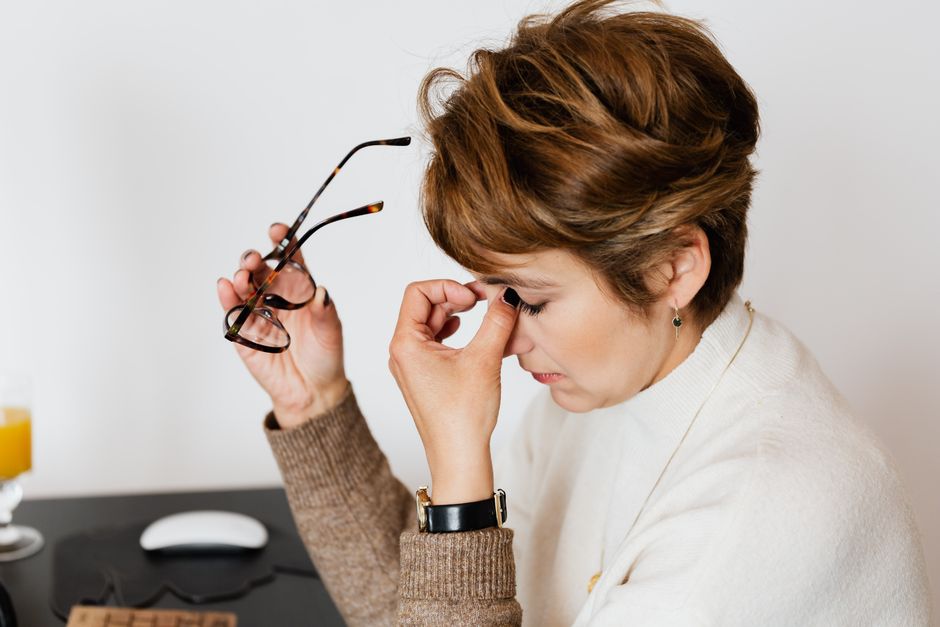
In our fast-paced culture, the goal has moved from simply looking good to actually feeling regulated. As a lifestyle editor who has spent nearly a decade reviewing the latest lotions, potions, and wellness trends, I’ve learned one universal truth: if your routine is too complicated, you won’t do it. The best 10 minute self care routine isn’t one that requires a complete home spa renovation; it’s one that acknowledges the reality of your stress and meets you where you are.
The Evolution: From Vanity to Wellbeing
Historically, the beauty industry sold us products based on the promise of external perfection. Today, that narrative is being dismantled. We are entering an era of "nervous system-first" beauty. When we talk about an evening reset, we aren't just talking about removing makeup; we are talking about signaling to the brain that the workday is officially closed.
This shift toward wellbeing means we are looking closer at the ingredients we put on our skin and the rituals we perform. Whether it’s applying a magnesium-rich balm or simply taking three minutes to focus on deep breathing, the ritual itself is a therapeutic intervention for a nervous system that has been "on" for eight to ten hours straight.
Navigating the Noise: TikTok vs. Clinical Evidence
It’s easy to get swept up in the "viral" wellness trends TikTok skincare trends worth trying on TikTok and YouTube. While these platforms are excellent for discovery, they shouldn’t be your sole source of truth. Especially in the UK, where we hold high standards for health information, it is vital to discern between anecdotal lifestyle advice and clinical evidence.
When searching for health-related routines, always look for signposts that point back to established bodies of knowledge. For example, while influencers might suggest supplements or herbal aids, I always encourage readers to look for educational resources on established clinic websites—such as those provided by Releaf, the UK’s largest medical cannabis clinic. These clinics often provide robust, peer-reviewed educational content that helps patients understand the science behind their health choices. Furthermore, staying aligned with NICE (the National Institute for Health and Care Excellence) guidance ensures that you are grounded in medically sound advice, rather than just the latest marketing buzzword.

Designing Your Personal 10-Minute Wind-Down
The secret to a successful stress relief routine is personalization. No two people deal with stress in the same way. For some, a hot shower is the reset button; for others, it’s reading a book or gentle stretching. Below is a structured, 10-minute guide designed to be modular. Mix and match these elements to suit your individual needs.
Your 10-Minute Evening Reset Table
Time Activity The Goal 0:00–2:00 Digital Sunset Stop the dopamine loop from social media. 2:00–5:00 Temperature/Sensory Reset Cold water splash or warm shower to shift physiology. 5:00–8:00 Ingredient-Focused Care Application of targeted wellness products (balms/oils). 8:00–10:00 Breathwork/Grounding Active nervous system down-regulation.Ingredient Literacy: Reading the Label
As part of your 10 minute self care journey, I challenge you to become an "ingredient literate" consumer. In the past, we bought products for their packaging. Now, we buy them for their transparency. When you are putting products on your skin after a stressful day, look for ingredients that serve a purpose:
- Magnesium: Often found in bath salts or body butters, it is a staple for those looking to soothe tired muscles. Adaptogens: Ingredients like Ashwagandha or Reishi (found in various wellness drinks and skincare) are increasingly popular for their calming properties. Lavender and Chamomile: Classic, evidence-backed scents that help signal the brain to prepare for sleep.
When shopping, don’t be afraid to flip the bottle. If you don't know what an ingredient does, look it up on a reputable health database or the educational sections of trusted wellness clinic sites. Transparency is the antidote to health anxiety.
The Pillars of a Sustainable Routine
To keep this routine going beyond a week, you must treat your wellness products as "everyday staples" rather than luxury extras. Just like brushing your teeth, your wind-down routine should be non-negotiable. Here is how to keep it consistent:
Keep it simple: If it takes longer than 10 minutes, you won't do it on a Tuesday night when you're exhausted. Environment matters: Dim the lights. Lighting is a biological trigger that tells your body it’s time to produce melatonin. Check your sources: Before buying into a trending supplement or wellness gadget, cross-reference the claims with information from NICE or medical professionals. Listen to your body: Some nights, your body needs movement (stretching). Some nights, it needs stillness. Allow your evening reset to be fluid.Final Thoughts: A Gentle Approach
The transition from a high-stress workday to a restful evening is a https://smoothdecorator.com/how-do-i-learn-proper-application-methods-for-topical-products/ skill, not a luxury. By curating a routine that respects both your time and your physical needs, you are doing more than just "self-care"—you are actively managing your health.
Remember, the goal of a stress relief routine isn't to be perfect; it’s to be present. Whether you are consulting Releaf for information on clinical approaches to stress, or simply deciding to swap your phone for a calming herbal tea, you are taking ownership of your wellbeing. Start small, stay curious, and always prioritize evidence-based information over the fleeting trends you see on your feed.
You have ten minutes. Use them to put yourself first.