If you’re shopping for a diamond, you’ll quickly notice how easy it is to get caught up in just one factor: carat weight. After all, carat size often feels like the quickest way to measure a diamond’s value and beauty. But as any expert hatton-garden-jewellers.co.uk jeweller from Hatton Garden Jewellers will tell you, a diamond's true beauty is about much more than just carat. To make a confident, well-rounded choice, you need to consider the full package — what experts call the Four Cs: Cut, Color, Clarity, and Carat. This guide will walk you through a proven compare diamonds checklist that goes beyond carat, helping you balance these critical factors to find the diamond that truly sparkles.
Why Carat Is Only the Beginning
Carat refers to a diamond’s weight — exactly how heavy the stone is. It’s the metric that most customers notice first and often the heaviest in reference price, but it’s not the whole story. Remember, a diamond’s carat is a weight measure, not a size or beauty guarantee.
Two diamonds with identical carat weight can look very different in size and brilliance depending on their measurements, shape, and cut quality.
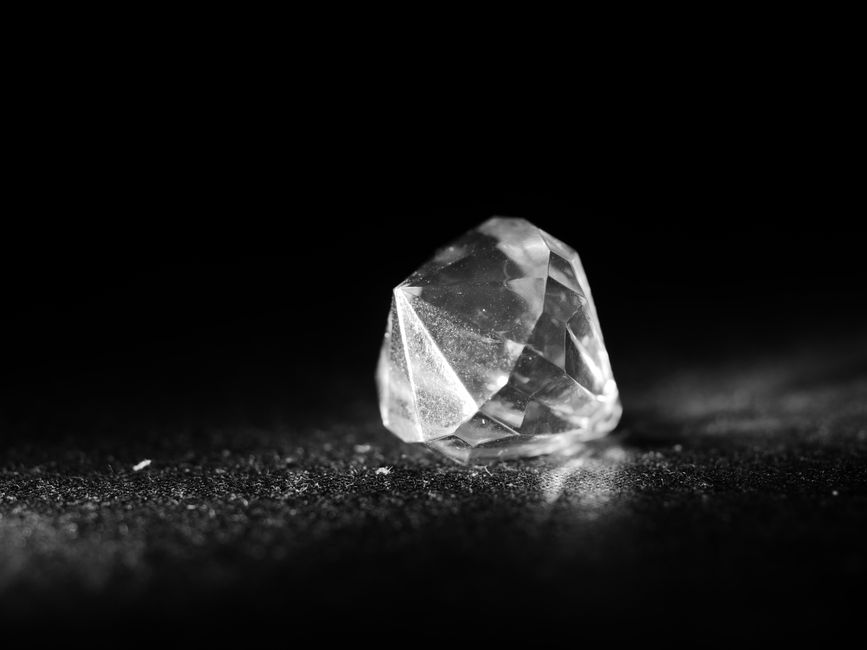
- For example, a 1.0 carat diamond that is shallow and spread out may appear larger face-up than a deeper 1.0 carat diamond, but it can sacrifice sparkle. Meanwhile, shapes like oval, pear, or marquise can look larger face-up compared to a round diamond of the same carat because of their elongated facets and proportions.
So next time someone insists ”I just want the biggest carat for my money,” you can say: "Size is just one part of a diamond's story."

The Four Cs Trade-Offs: Cut, Color, Clarity, and Carat
The Four Cs trade-offs form the basis of diamond grading and value. They’re interrelated factors, often forcing compromises depending on your budget or priorities.
C What It Means Why It Matters Common Trade-Offs Cut How well a diamond’s proportions, symmetry and polish enhance its brilliance Cut drives the diamond’s sparkle more than colour or clarity Choosing a top cut grade with slightly lower colour (eg. G instead of D) Color Measures diamond’s lack of colour (D is colourless, Z is tinted) Colour impacts diamond brightness and appeal Choosing a near colourless grade (G-H) to stay within budget Clarity Amount and visibility of inclusions and blemishes Clarity affects appearance and durability Opting for VS2 or SI1 with inclusions not visible to naked eye Carat Diamond weight Impacts size and price Choosing slightly lower carat weight but better cut and clarityAmong all four, cut drives sparkle more than any other factor — it controls how light enters, reflects, and refracts within the diamond. You can have the rarest colour or clearest clarity, but a poor cut diamond will look dull. When comparing diamonds, keep this in mind: a medium carat diamond with excellent cut and fine clarity will likely dazzle more than a heavier, poorly cut diamond.
Using Grading Reports and Verifying Authenticity
Every diamond you consider should come with an independent grading report detailing its Four Cs. The industry gold standard is the Gemological Institute of America (GIA), whose reports provide an impartial assessment of your diamond’s cut, color, clarity, and carat weight.
But beware: “Certified” means little without knowing the certifying lab. In fact, many diamonds carry lab reports from less rigorous labs or even synthetic grading sheets. Always ask for the full report and check its authenticity by verifying the lab report number using official GIA diamond quality factor pages and databases.
This is crucial — before discussing price, I always ask my clients for the laboratory report number to verify the diamond’s details align perfectly with the report. This process prevents wasting money on misrepresented stones or “mystery” diamonds without proper documentation.
Practical Tips: How to Measure Visible Size vs Carat
Carat weight doesn’t directly translate to visible size. Instead, look at the diamond’s measurements and proportions — usually expressed as millimetres across the table (top face) of the stone.
- A well-cut 1.0 carat round diamond will typically measure around 6.5mm in diameter. If two diamonds weigh the same but one measures larger face-up (say 6.7mm vs 6.4mm), it might be cut shallower, potentially sacrificing sparkle. So balance visible size with the cut grade to make sure you’re not getting a larger but dull-looking diamond.
When you shop around — say at a trusted retailer like Hatton Garden Jewellers — ask to view diamond measurements alongside the report. Don’t rely solely on carat or general descriptions.
Shape and Perceived Size: How Different Cuts Affect Your Diamond
Your diamond's shape has a huge effect on perceived size, style, and sparkle. Round brilliants are classic and tend to maximize fire and brilliance due to their precise cut facets. But fancy shapes can appear larger face-up at the same carat weight due to their stretched dimensions:
- Oval diamonds often look larger than rounds because their elongated shape spreads the carat weight out over a bigger surface area. Pear-shaped Marquise
Keep in mind that cutting quality and proper proportions are still key. Even fancy shapes can look lacklustre if cut poorly.
Your Complete Compare Diamonds Checklist
When comparing two diamonds as a full package, use this balanced checklist to guide your choice:
Obtain Certified Reports - Confirm GIA or similarly reputable lab reports are included. Verify Report Numbers - Use the lab’s database (e.g., GIA’s official report checker) to ensure authenticity. Examine Cut Quality - Prioritise excellent or very good cut grades to maximise sparkle. Balance Color and Clarity - Choose near-colourless (G-H) and eye-clean clarity (VS2-SI1) grades for the best value. Review Proportions and Measurements - Check mm size for perceived visible size, not just carat weight. Consider Shape and Style - Determine which shape best fits preferences and perceived size impact. Trust Reputable Jewelers - Choose sellers like Hatton Garden Jewellers with transparent policies, clear return and resizing terms, and expert guidance.Final Thoughts
In today’s fast-paced world — whether you’re comparing diamonds or waiting for your next free spin on the MRQ mobile casino app — taking the time to understand the full diamond package pays off. Avoid the common pitfall of fixating solely on carat weight. Instead, use your knowledge of the Four Cs trade-offs and trusted grading reports to find a diamond that truly sparkles to your eye and budget.
Next time you shop for diamonds, whether online or in Hatton Garden’s historic jewellery district, ask for the report number first, verify each grade, and look beyond just the carat. Your sparkle deserves the full package.