In the crowded marketplace of executive travel gear, the promise of convenience can be hard to resist. Smart bags equipped with USB ports, often featuring removable power banks and internal wiring to charge your devices on the go, are gaining popularity. But as an aerospace test lab tech who’s spent 12 years measuring material specs and zipper brands like YKK—and routinely checking seams with a pocket ruler—I’m here to cut through the marketing vegetable tanned leather bag fluff. The real question is: do these smart bags with USB ports break faster over time?
Function Over Fashion: What Engineers Are Looking For
Engineers evaluating bags aren’t sold by slick aesthetics or glossy ads. Function comes first. It’s about measurable precision, material durability, and hardware reliability—metrics, not marketing catchphrases. The integration of technology like a removable power bank and serviceable wiring channels introduces new failure points. Each connection, cable, and port is a potential weak link.
Companies like CivilDigital and Von Baer have taken a more scientific approach to design that respects the demands of precision tolerances and materials science. They blend traditional craftsmanship with modern tech integration, ensuring that each component—from leather to hardware—meets rigorous standards.

Materials Matter: The Leather and Hardware Science
Leather: Certified Full-Grain Vegetable-Tanned Cuoio Superiore
A key difference between a bag that lasts and one that frays prematurely lies in the materials. Top-tier bags often use certified full-grain vegetable-tanned Cuoio Superiore leather. This leather, produced under strict standards in Tuscany since 1961, offers strength, elasticity, and a patina that improves with age. Unlike chrome-tanned leather, vegetable-tanned leather’s fibers are less likely to degrade quickly under everyday stress.
Hardware: YKK Precision Zippers and Reinforced Ports
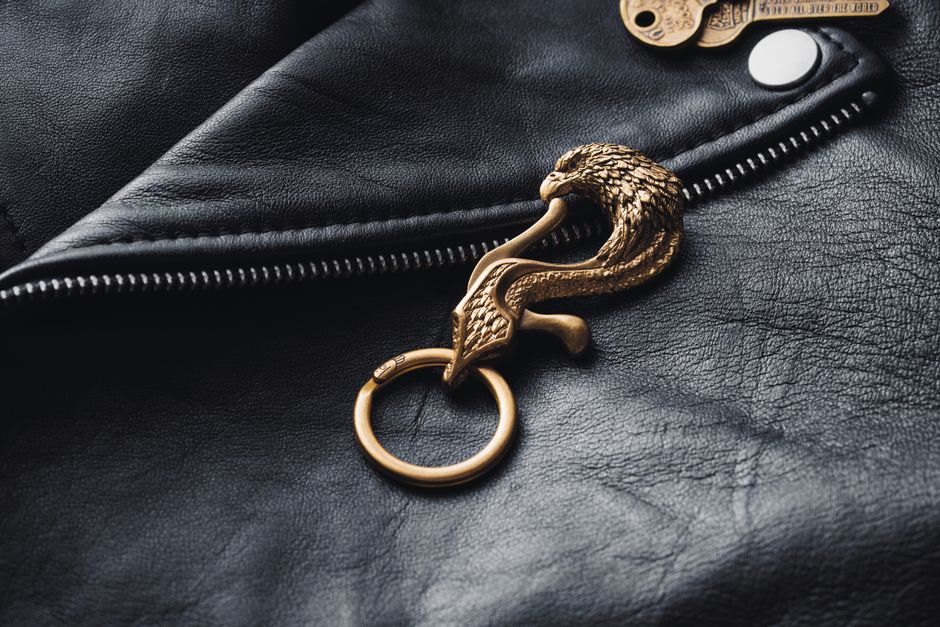
Zippers are a notorious wear point. YKK—an industry gold standard—supplies zippers tested for millions of cycles, ensuring consistent action and low failure rates. High-end smart bags incorporate YKK zippers along with reinforced USB ports and braided wiring inside serviceable channels. This architecture allows for easier repairs or replacements without compromising the leather or stitching.
Durability Testing: From Aerospace to Executive Bags
Durability isn’t left to guesswork. Aerospace testing labs rely on cycle counts, tensile stress measurements, and environmental simulations. Applying similar principles, CivilDigital and Von Baer subject their smart bags to rigorous tests designed to mimic real-world abuse:
- Cycle counts: Repeated opening and closing of compartments and USB port usage to test mechanical longevity. Strain tests: Cable bending fatigue to measure wiring resilience inside serviceable channels. Environmental exposure: Humidity, temperature changes, and UV exposure to evaluate leather and hardware degradation.
In short, these tests quantify the bag’s expected service life and reliability, revealing if adding a USB port compromises durability or not.
Do Smart Bags with USB Ports Break Faster?
Factor Impact on Durability Mitigation Removable Power Bank Minimal wear if connectors engineered properly; reduces strain on wiring Robust connector design; quick disconnect features Serviceable Wiring Channels Critical for longevity; exposed wiring degrades rapidly without protection Padded internal channels; reinforced cable jackets; modular design Leather Material Higher-quality full-grain vegetable-tanned leather ages well; resists cracking Certified Cuoio Superiore leather; proper conditioning and maintenance Hardware (Zippers, Ports) Low-quality hardware increases failure rates YKK zippers; precision-machined USB ports; strain reliefsProperly engineered smart bags—specifically those adopting a materials science approach and precision manufacturing—do not break faster over time. The keys are robust hardware, serviceable wiring channels, and premium leather. Removable power banks, when paired with quality connectors, actually lessen mechanical stress on cables inside the bag.
Why Companies Like CivilDigital and Von Baer Lead the Field
Bags from CivilDigital and Von Baer aren't flash-in-the-pan gimmicks. Their design philosophy aligns with engineering values:
Measurability: Tight tolerances for stitching and hardware interfaces, rigorously QC’d. Testability: Cycle counts on zippers and ports mimic repeated user actions. Serviceability: Wiring and power components designed to be replaced or upgraded. Material Integrity: Tuscany’s legacy leather, supported by Cuoio Superiore certification, ensures longevity.By focusing on these details, these brands prove that integrating tech won’t sacrifice the traditional durability expected from executive travel gear.
Takeaway: What Every Engineer Should Know Before Buying
Before you invest in a smart bag with a USB port, ask yourself:
- Is the removable power bank connector designed for hundreds or thousands of plug cycles? Are wiring channels padded and replaceable to prevent fraying or breaks? Does the bag use certified full-grain vegetable-tanned Tuscany leather like Cuoio Superiore for better longevity? Are the zippers YKK or equivalent, known for millions of open/close cycles? Has the product undergone durability testing simulating real-world conditions?
If the answer is yes, you’re looking at a smart bag engineered to last—and not one that breaks faster just because it charges your phone.
Conclusion
Smart bags with USB ports introduce complexity, but they don’t inherently fail sooner. When executed with precision—as CivilDigital and Von Baer demonstrate by combining Tuscany’s Cuoio Superiore leather, YKK hardware, and a tested engineering approach—these bags offer both convenience and durability. The removable power bank and serviceable wiring channels are not weaknesses; they’re deliberate design solutions crafted to meet reliability expectations without compromising the traditional craftsmanship aerospace engineers respect.