I’m writing this from a café in Alnwick, nursing a lukewarm flat white after a morning spent measuring the aisle width at a rather temperamental—but structurally magnificent—Scottish castle. I carry a small, dented metal tape measure in my bag, and frankly, it has saved more weddings than any Instagram aesthetic ever could. Why? Because when you are working with heritage buildings, the space dictates the rules, not your mood board.
One of the most frequent questions I get from couples, particularly those who have spent far too many sleepless nights scrolling through Pinterest, is: "Do I need florals everywhere?" The fear is palpable. There is a prevailing anxiety that if you don't carpet your venue in cascading wisteria or install a floor-to-ceiling flower wall, the space will look "empty" or "unfinished."
As someone who has spent 12 years scouting venues from the Borders to the Highlands, I am here to tell you that this is a myth—and an expensive one at that. When you book a venue with history, you aren't paying for a blank canvas; you are paying for an experience that already has a soul. If you try to cover that soul in five thousand stems, you aren't enhancing the venue; you are masking it.
The Trap of the "Pinterest Perfect" Aesthetic
We need to talk about the "Pinterest Effect." While Pinterest is a fantastic tool for gathering textures and color palettes, it often presents a skewed reality. You see these meticulously curated shots of modern, sterile spaces that *require* heavy floral intervention to feel warm. When you try to apply that same "more is more" philosophy to a heritage venue, you end up fighting the architecture rather than collaborating with it.
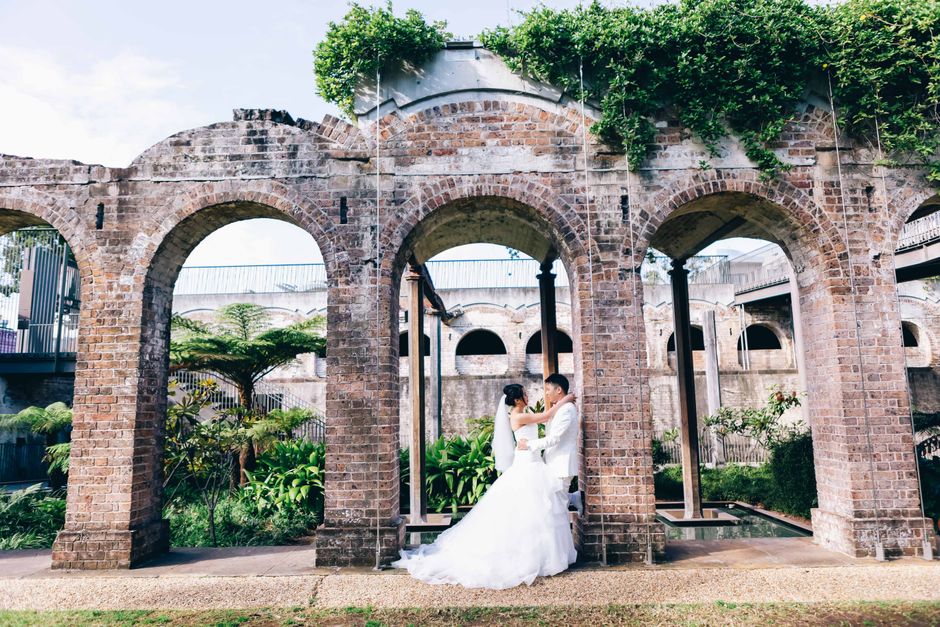
I often direct couples to resources like Want That Wedding (wantthatwedding.co.uk) for a grounded perspective on real-life styling. Their features often highlight how heritage details—like original stone fireplaces, intricate cornicing, or exposed timber beams—carry the weight of the decor on their own. When you prioritize venue features first, you stop viewing your wedding florals budget as a "fill the void" expense and start viewing it as a "highlight the details" investment.
Understanding Architectural Texture
Heritage venues provide an immediate sense of place. Whether it’s the way light hits the stone of a 200-year-old barn or the hushed, intimate acoustics of a vaulted gallery, these buildings tell a story. When you enter a room, close your eyes. What do you hear? Does it echo? Does it feel warm? Does it smell like history and beeswax? That sensory profile is your atmosphere. Adding too many florals often creates "visual noise" that competes with the natural texture of the room.
Instead of thinking about coverage, think about statement arrangements. If a room has a magnificent fireplace, one wild, overflowing urn placed on the hearth is worth more than ten small, generic centerpieces placed along a trestle table. Let the architecture do the heavy lifting.
Why "Blank Canvas" is Often a Misnomer
I get a twitch in my eye whenever a coordinator promises a "blank canvas." Usually, this is code for "it’s a barn with zero character, and you’ll need to spend a fortune on draping and lighting to make it look like anything." A true heritage venue isn't a blank canvas; it’s an active participant in your day. Embrace the history. If there are exposed brick walls, don't hide them behind pipe-and-drape; highlight them with strategic uplighting or a singular, asymmetrical floral installation that draws the eye upward.
My Professional "Venue Scouting" Checklist
When I visit a venue, I am looking for specific markers of a successful space. I garden ceremony wedding venue don't care how "stunning" the brochure says it is—I care about how it functions. Here is how I rank spaces:
- The Photo Corner Factor: Does the venue have at least three distinct spots where the natural light is impeccable, regardless of the weather? (This is part of my "rain plan realism" assessment). Acoustic Quality: When the room fills with 100 people, does it sound like a cacophony, or is there enough architectural texture to dampen the noise? Aisle Width: Using my tape measure, does the aisle accommodate a full gown comfortably? Floral Integration: Does the space have built-in ledges, window sills, or alcoves? These are where the budget should go, not on massive, floor-based installations that block traffic.
A Case Study in Smart Styling: The Venue at Eskmills
Take The Venue at Eskmills (eskmillsvenue.com) as a prime example of a space that balances industrial history with modern elegance. It’s a fantastic case study because it doesn't need to be buried in flowers to look refined. The exposed brickwork and the history of the mill building provide such a strong sense of place that florals are best used as sharp, intentional accents. Rather than trying to cover every surface, focus on how your florals complement the existing lines of the windows or the height of the ceiling. It’s about working *with* the identity of the building, not imposing a new one on top of it.
Budgeting for Florals: A Rational Approach
If you are agonizing over your wedding florals budget, follow this table to prioritize where your money is best spent in a heritage space:
Location Why it matters Floral Strategy Ceremony Backdrop This is where the focal point will be for your photos. Use statement arrangements here. One focal piece is better than four small ones. Entrance/Welcome Sets the tone for the guest experience. Use local, seasonal foliage that reflects the surrounding landscape. Guest Tables Needs to allow for conversation and movement. Low, sprawling, or minimalist. Don't block the view of the room’s history.Authenticity and Local Identity
There is a growing trend toward "Hyper-Localism." In the UK, we have access to incredible, seasonal British blooms. When you are in a heritage venue in Northumberland or Edinburgh, why not choose flowers that grow in the soil outside? It anchors your wedding to the local identity. It tells a story of place. That kind of storytelling is infinitely more powerful than importing exotic flowers that look out of place in a centuries-old setting.
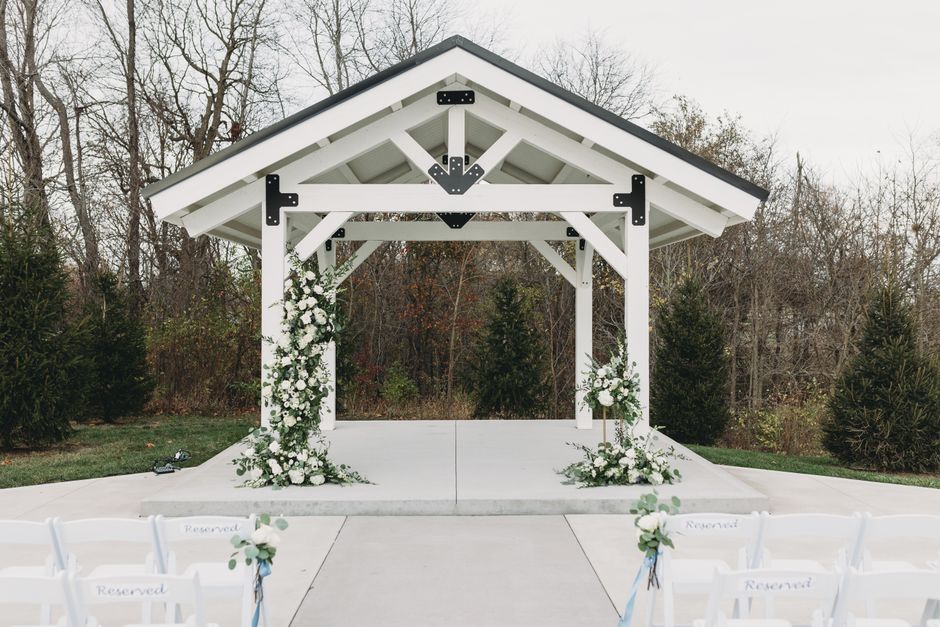
If you feel the urge to share your progress, by all means, share via Facebook, X, or Pinterest—but remember: your guests are coming to see *you* in a space that reflects who you are. They aren't coming to see a magazine spread. Authentic heritage venues are beautiful because they have weathered time, just as your marriage will.
Final Thoughts: Stop Fixing, Start Enhancing
The greatest disservice you can do to a venue with history is to treat it like a problem to be solved with decor. Don't try to "fix" a bad layout with a forest of flowers; choose a venue where the layout flows naturally. Don't over-promise on "blank canvas" decor fixes that end up looking forced.
When you walk into a heritage space, look at the windows. Look at the light. Look at the corners where the shadows pool. Those are your photo corners. Put your flowers there. Keep the aisles clear (my tape measure insists on it!), keep the acoustics in mind, and remember that the most "stunning" weddings I have seen in 12 years are the ones that simply let the venue be itself.
So, do you need florals everywhere? Absolutely not. You need them exactly where they emphasize the soul of the room. Everything else is just clutter.